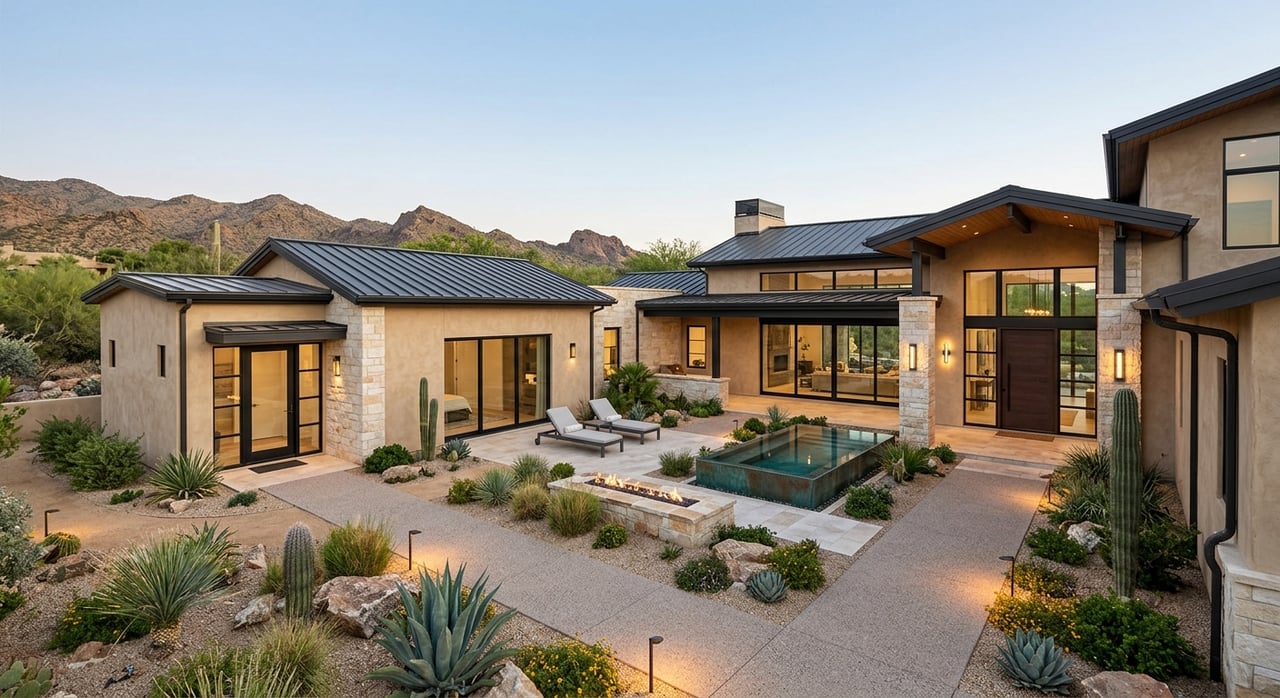
Paradise Hills Multigenerational Homes That Work Gracefully
May 21, 2026
May 21, 2026
If you are planning a home that brings multiple generations together, design alone is not enough. In Paradise Hills, the right estate plan has to balance privacy, comfort, accessibility, and Henderson’s current development rules from the very beginning. When you understand how the property, layout, and permitting process work together, you can make smarter decisions about whether to build, renovate, or buy. Let’s dive in.
A multigenerational estate is not just a larger house. It is a home designed to support daily life for relatives with different schedules, privacy needs, mobility levels, and long-term goals.
For some households, that means a main home with a private suite for parents or adult children. For others, it may mean exploring whether the lot can support an accessory dwelling unit, or ADU, under Henderson’s current code. In Paradise Hills, those choices are shaped as much by regulations and lot design as by architecture.
That is why early planning matters. The most successful properties usually start with a clear vision for how your family will actually live in the home over time.
Paradise Hills sits within Henderson’s city orbit, and that matters for anyone considering an estate-scale project. Henderson’s Development Services Center coordinates plan reviews, inspections, and permit services, while the city’s Building and Fire Safety department handles permits, plan checks, and inspections.
In practical terms, major changes such as additions, garage conversions, new accessory units, and similar projects are formal code-compliance projects. They are not casual remodels. If you are evaluating a property for extended-family living, the lot itself can be just as important as the floor plan.
If a site is located in a mapped floodplain, Henderson requires a floodplain development permit before development. That can affect where a detached structure, addition, or other improvement can be placed, so it should be reviewed early in the process.
For many buyers, the first question is whether a property can support a true second living space. Henderson’s development code draws a clear line between an ADU and other accessory structures.
An ADU must either be attached to the main single-family home or located on the same lot with independent access. The city currently limits each lot to one ADU, and the ADU cannot be sold separately from the main home.
There are also size limits. Henderson caps an ADU at the greater of 25% of the principal dwelling’s floor area or 1,000 square feet.
Setbacks and building placement matter too. Detached ADUs that are 14 feet or less in height need five-foot side and rear setbacks, while a two-story detached ADU must be set back from the rear property line by at least its full height. Detached ADUs must also be separated from other buildings by at least six feet.
Parking is another early design issue. Henderson requires one off-street parking space per ADU, so circulation and driveway planning should be part of your initial concept, not an afterthought.
In the luxury market, you will often hear the word casita used broadly. In Henderson, that word should be used carefully.
The city specifically states that pool houses, cabanas, and casitas shall not be used as ADUs. That means a detached guest space may still be useful as a private suite or accessory structure, but you should not assume it qualifies as an ADU without a code review.
This distinction matters in Paradise Hills, especially for buyers who want a true two-household setup. If your goal is independent living space for long-term family use, the property needs to be evaluated against Henderson’s actual ADU standards, not just listing language or design labels.
The best path often depends on how much separation, flexibility, and future accessibility your household needs. In Paradise Hills, there are usually three realistic approaches.
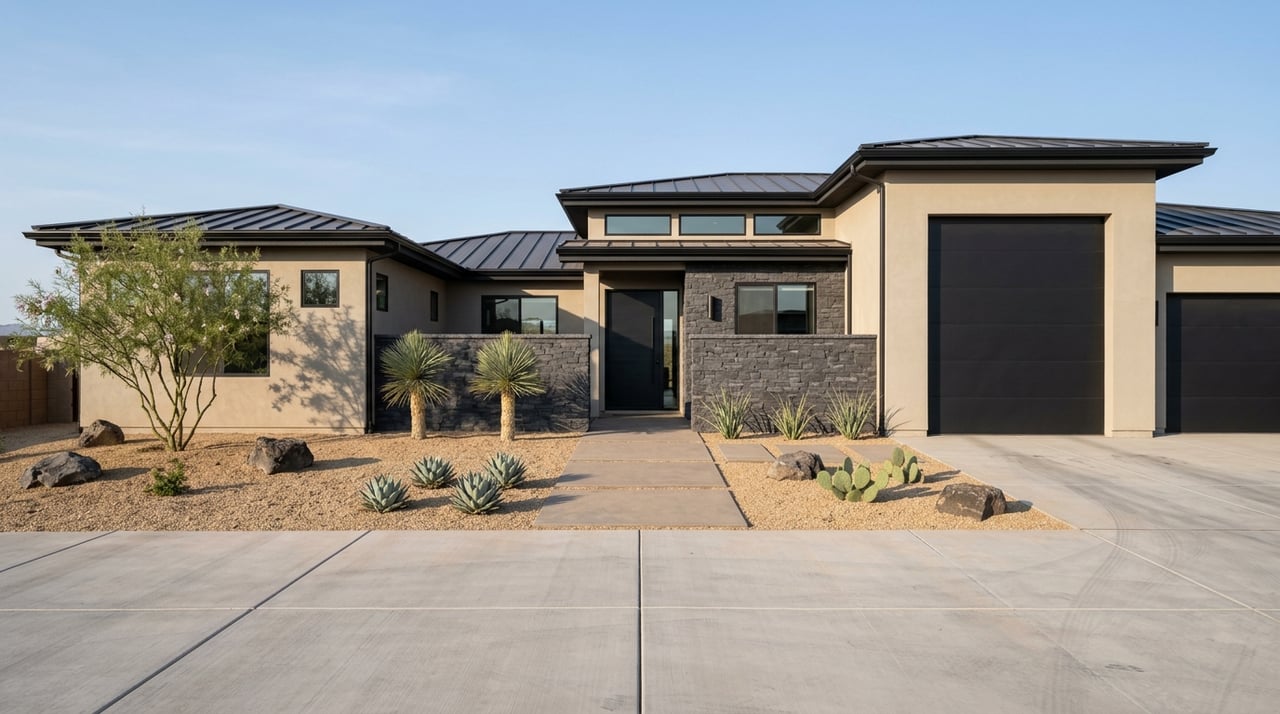
A custom build is often the cleanest option when your household needs a true multi-suite or two-household arrangement. This is especially true if you want separate parking, a detached living space, or accessibility features built in from day one.
Because Henderson’s rules address ADU size, setbacks, building separation, and parking, designing around those factors from the start can create a smoother path. For families who want long-term flexibility, a custom estate can better align the home with both lifestyle and regulatory realities.
A substantial renovation can work well when an existing property already has the right bones. For example, an outbuilding or accessory structure may offer an opportunity for repurposing, depending on how the property is configured and what the code allows.
Henderson’s code notes that existing accessory structures being converted to ADUs may be treated as meeting setback standards if they do not encroach further into the required setback. Even so, additions, revisions, and resubmittals still move through formal plan review and inspection steps, so a renovation should be approached with the same care as a ground-up project.
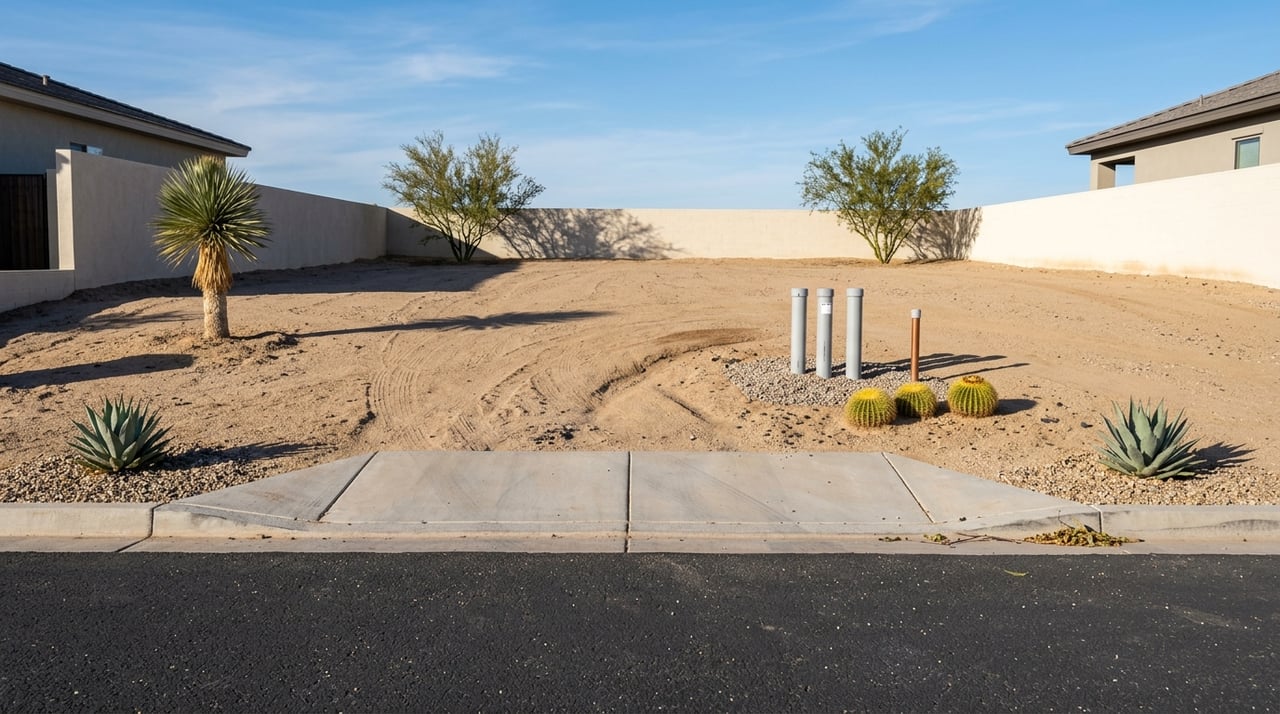
Sometimes the smartest decision is buying the right property rather than trying to force the wrong one to work. In Paradise Hills, city rules can quickly limit unit size, placement, separation, and parking.
That means a strategic purchase can save significant time and uncertainty. If the lot size, building placement, and existing improvements already align with Henderson’s framework, your multigenerational goals may be easier to achieve.
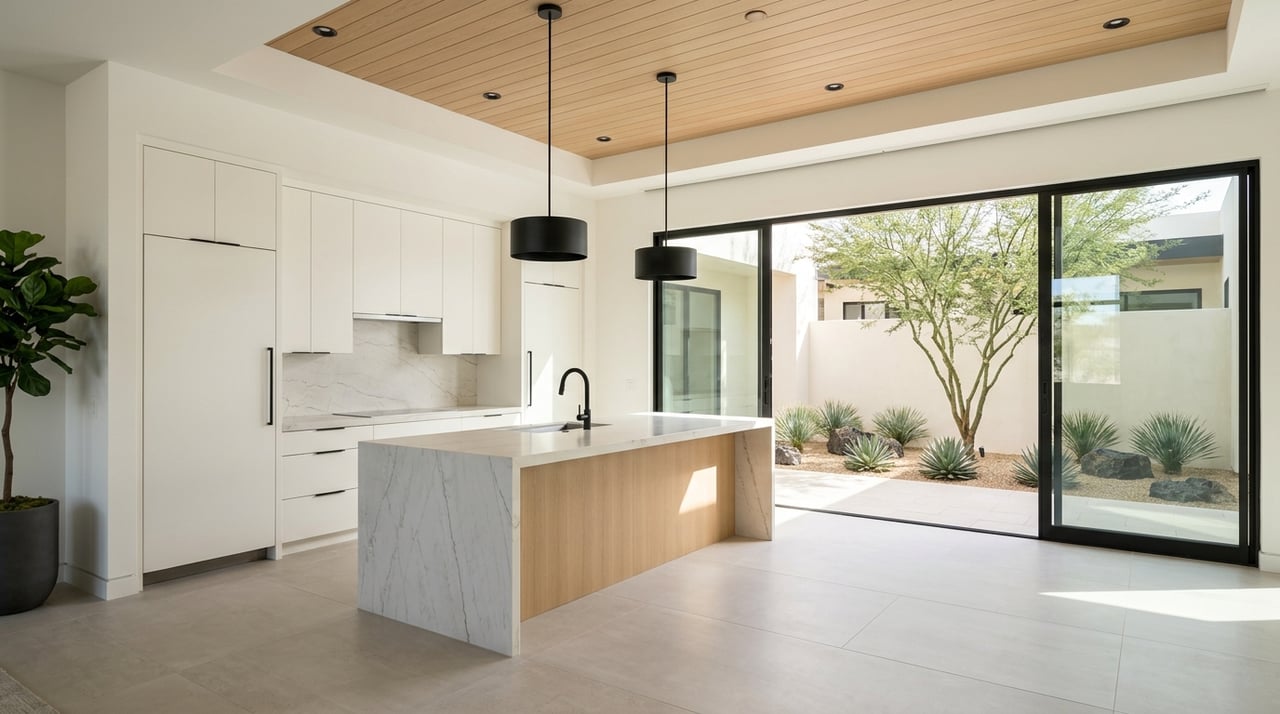
A successful multigenerational estate should feel elegant, but it also has to function well every day. Good design often comes down to comfort, circulation, and the ability to give each household member both connection and privacy.
For many families, the most useful features include:
These choices are especially important if you are planning for aging parents or extended stays over many years. Falls are the leading cause of injury for adults age 65 and older, and common safety measures include grab bars, handrails, improved lighting, and removing trip hazards such as throw rugs.
While single-family homes do not follow ADA rules in the same way public buildings do, ADA accessibility standards use a 32-inch minimum clear doorway width as a useful reference point. For estate design, that can be a practical benchmark when planning for future adaptability.
In a luxury multigenerational home, privacy is one of the most valuable design features. You want the home to bring people together without making anyone feel crowded.
That often means creating layers of use across the property. Shared kitchens, great rooms, and outdoor entertaining areas can anchor the home, while separate entrances, sitting rooms, or suite-style bedroom zones can support independence.
Site planning matters just as much as the floor plan. In Paradise Hills, the way the driveway, detached structures, outdoor spaces, and parking are arranged can shape how naturally the estate functions for two generations under one roof.
One more detail is worth noting as you plan. Nevada’s 2025 AB 396 requires larger counties and cities, including Henderson, to adopt an ADU ordinance by July 1, 2026.
That means anyone designing a multigenerational estate should confirm the latest city text before finalizing plans. In a market where lot selection and design precision can make a major difference, current local guidance matters.
In Paradise Hills, multigenerational design is about more than beautiful finishes or extra square footage. The real value comes from choosing a property that supports your family’s lifestyle, fits Henderson’s rules, and gives you room to plan for the future.
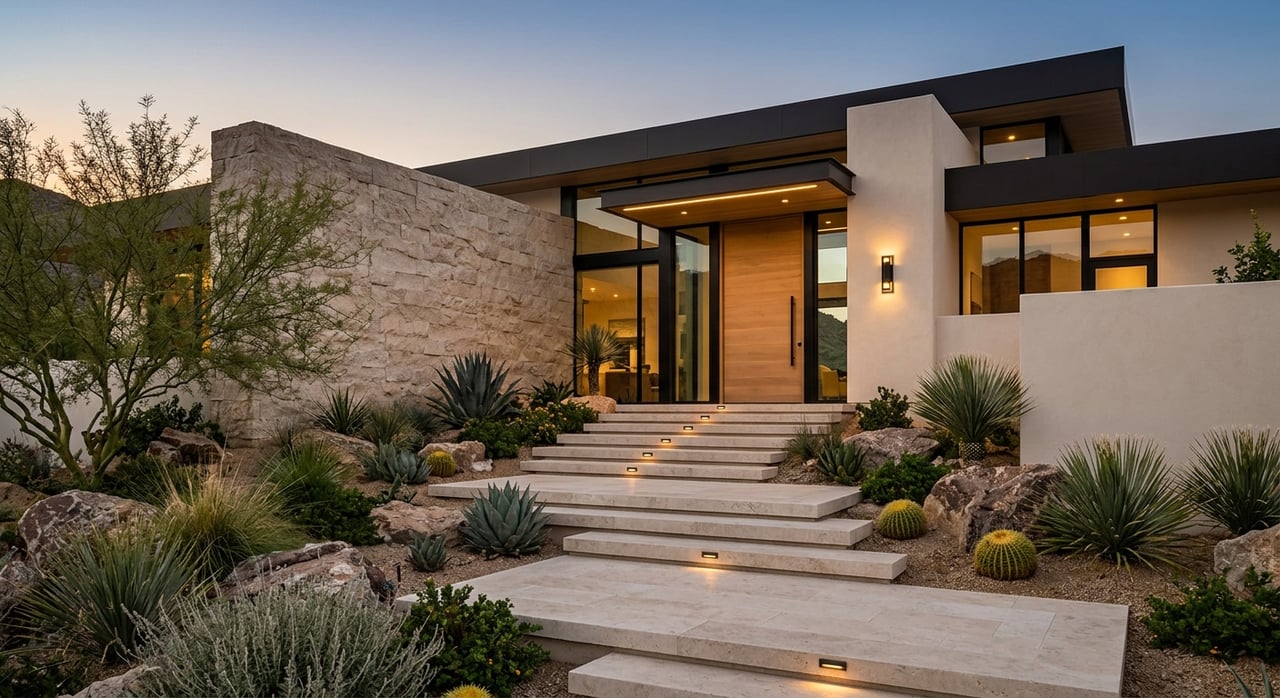
Whether you are considering a custom estate, a major renovation, or a strategic purchase, the goal is the same. You want a home that feels refined, works gracefully for everyday life, and remains flexible as your family’s needs evolve.
If you are exploring land, a luxury home purchase, or a custom multigenerational estate in Paradise Hills, Cynthia Lauren Huff offers a private, single-source approach that combines local property insight with build-focused guidance.
Stay up to date on the latest real estate trends.
Get assistance in determining the current property value, crafting a competitive offer, writing and negotiating a contract, and much more. Contact me today.